Medicare Insurance Broker Fresno CA: Coverage Tips for Prescription Medications

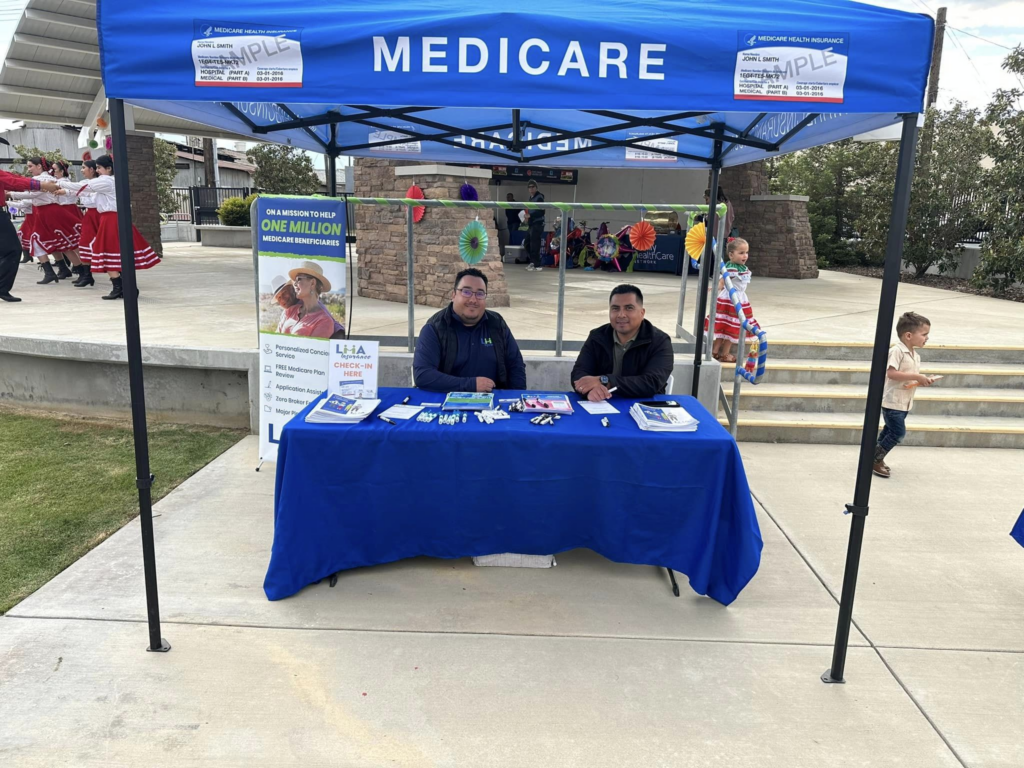
Prescription coverage is where many Medicare decisions stop feeling theoretical. A premium might look reasonable on paper, a deductible might seem manageable, and a plan name might sound familiar. Then a member goes to the pharmacy, hands over a card, and learns that the inhaler, insulin, blood thinner, or brand-name eye drop they use every month is not covered the way they expected. That is the moment details matter.
For people in Fresno, medication costs can shape the entire Medicare experience. I have seen beneficiaries choose a plan because a neighbor liked it, only to find out their own prescription list created a very different result. I have also seen the opposite, people assume all drug plans are roughly the same, then save hundreds or even thousands in a year by matching the right plan to the right pharmacy and formulary.
A good Medicare Insurance Broker Fresno CA conversation should spend real time on prescriptions, not just premiums. Drug coverage can shift annually, pharmacies can move in and out of preferred networks, and a medication that was affordable one year can become frustratingly expensive the next. The goal is not simply to “have coverage.” The goal is to have coverage that works in real life, month after month.
Why prescription planning deserves extra attention
Original Medicare generally covers hospital and medical care, but routine outpatient prescription drugs usually fall under Part D or a Medicare Advantage plan that includes drug coverage. That sounds straightforward until you dig into how plans actually operate. Formularies differ. Tiers differ. Utilization rules differ. Even two plans from the same carrier can price the same medication very differently.
This is especially important for people managing chronic conditions, which is common in Medicare. Fresno residents dealing with diabetes, heart disease, COPD, arthritis, cancer treatment, or post-surgical recovery often rely on ongoing prescriptions. A plan mismatch does not just create inconvenience. It can influence adherence, delay refills, and make people ration medication to save money. None of those outcomes are minor.
A seasoned Medicare Insurance Broker will usually begin with the medication list because it reveals the practical side of coverage faster than almost anything else. If someone takes no prescriptions today, that still does not mean drug coverage can be treated casually. Health can change quickly, and a plan that is too rigid can become expensive after one diagnosis or one hospital stay.
The medication list needs to be exact, not approximate
When people compare Medicare plans on their own, they often summarize their prescriptions from memory. They might say, “I take a blood pressure pill, cholesterol medication, and something for reflux.” That is not enough to compare plans accurately. The exact drug name, dosage, quantity, and how often it is filled all matter.
A 30-day supply and a 90-day supply can produce very different annual costs. A tablet taken once a day may be on one tier, while a different strength is subject to a higher copay or prior authorization. Brand versus generic can dramatically change cost. Mail-order pricing can also differ from retail pricing, and some plans strongly incentivize one over the other.
I have watched small details create large cost differences. One client took a common generic, but the preferred pharmacy under Plan A gave her a very low copay, while Plan B treated the same medication less favorably at the pharmacy she actually used. Another client assumed his specialist-prescribed brand drug would be covered because it had been covered the year before. It was still on the formulary, but it moved to a higher tier, and the cost jump caught him off guard.
That is why a complete list should include every regular prescription, any expensive occasional medication, and any drug you strongly expect to continue into the next year. Eye drops, inhalers, insulin supplies, seizure medications, and specialty drugs are especially worth checking carefully because cost variations can be significant.
Not all “covered” drugs are covered equally
One of the most common misunderstandings is the idea that if a medication appears on a plan formulary, the problem is solved. In reality, “covered” can mean several different things.
A medication may be covered at a low generic tier with a modest copay. That is the ideal outcome. But it may also be covered on a non-preferred brand tier, which can mean much higher cost sharing. In some cases, the drug is covered only after a deductible is met. In others, the plan may require prior authorization, step therapy, or quantity limits.
Prior authorization means the plan wants additional approval before paying. Step therapy means the member may need to try a lower-cost alternative first. Quantity limits cap how much can be filled over a given period. None of these rules automatically make a plan bad. They are simply part of the fine print that needs to be understood before enrollment.
A local broker who works regularly with Medicare clients in Fresno will usually know where people get tripped up. It is often not the existence of coverage, but the conditions attached to it. That matters for people who need continuity and do not want to fight for routine refills after January 1.
Pharmacy choice can change your annual cost more than expected
Many people assume their cost is tied almost entirely to the insurance carrier. In drug coverage, the pharmacy matters almost as much as the plan. Preferred pharmacies often offer lower pricing than standard network pharmacies, even under the exact same plan. Sometimes the difference is modest. Sometimes it is substantial over twelve months.
This is where local habits matter. Some Fresno beneficiaries prefer a neighborhood pharmacy because they know the staff and value face-to-face service. Others are comfortable with large chain pharmacies or mail order. There is no single right answer. What matters is comparing costs using the pharmacy you are actually willing to use consistently.
I have seen people choose the absolute cheapest projected plan online, only to discover that its best pricing depended on a pharmacy across town that they had no intention of visiting. Once we priced the same plan using their preferred pharmacy, the savings shrank or disappeared. In another case, switching to a plan with stronger preferred pricing at a familiar local pharmacy made more sense than chasing a lower monthly premium.
That is why a thoughtful comparison should look at both total annual cost and convenience. If a plan saves a little money but creates refill headaches every month, many people will not feel that they came out ahead.
Medicare Advantage with drug coverage versus stand-alone Part D
Prescription questions often intersect with the bigger decision between Original Medicare paired with a stand-alone Part D plan, or a Medicare Advantage plan that includes drug coverage. There is no universal winner because these models solve different problems.
A Medicare Advantage plan may bundle medical and prescription benefits under one card. For some people, that simplicity is attractive. The premium may also be lower than expected. But the drug formulary, pharmacy network, and medical provider network still need to fit the individual, not just the budget.
Original Medicare with a Part D plan and, in many cases, a Medicare Supplement policy can provide more provider flexibility. That path can appeal to people who want predictable access to doctors across wider geographies. Still, the prescription portion remains plan-specific, and Part D choices should be reviewed every year just as carefully as Medicare Advantage options.
A strong Medicare Insurance Broker Fresno CA discussion should not separate these issues too neatly. Drug needs can influence which overall structure makes more sense. If someone’s medication list works beautifully under one Medicare Advantage plan but poorly under another, that can tip the balance. If someone values doctor flexibility above all else but takes several high-cost prescriptions, then the Part D comparison becomes a major part of the decision.
Annual review is not optional if you use medications regularly
One of the costliest habits in Medicare is passive renewal. People often stay in the same drug plan because it worked well once. That can be reasonable if nothing important changed, but many important things do change. Plans revise formularies, move drugs between tiers, alter pharmacy arrangements, and update premium and deductible amounts from year to year.
I have spoken with beneficiaries who were happy for several years, then suddenly felt blindsided by a January price increase. Usually, it was not random. The plan documents had changed during Annual Enrollment, but they were not reviewed closely enough. Sometimes a person had also started a new medication midyear, which made their once-suitable plan less competitive for the coming year.
This is where a broker adds practical value. A broker is not there only for first-time enrollment. The annual review is often when the biggest savings appear. Even if the same plan remains the best fit, confirming that fact provides peace of mind. And if a better option exists, catching it before the new plan year begins can prevent months of unnecessary spending.
A few coverage terms that truly matter at the pharmacy
Medicare drug plans use a vocabulary that can feel dry until it affects a refill. These are the terms worth paying attention to during plan comparisons:
- formulary, the list of drugs a plan covers
- tier, the pricing level assigned to a medication
- deductible, the amount you may pay before certain drug costs are shared differently
- preferred pharmacy, a network pharmacy with lower negotiated costs under the plan
- utilization management, rules such as prior authorization, step therapy, or quantity limits
Those five terms explain a surprising amount of what members experience at the pharmacy counter. If a broker cannot clearly explain them in plain English, keep asking questions.
Generic alternatives are useful, but not always simple
People are often told to “just ask for a generic,” which is sometimes good advice and sometimes incomplete advice. Many generics do offer meaningful savings and broad coverage. If a doctor is comfortable switching from a brand medication to an effective generic equivalent, that can lower annual costs substantially.
Still, there are edge cases. Some members have done well on a specific formulation for years and do not tolerate changes easily. Some drugs have no true generic equivalent. Others may have a generic available, but not in the exact delivery method or dosage that fits the patient best. In specialty categories, there may be biologics and biosimilars rather than a simple generic-versus-brand choice.
This is where judgment matters. Cost should be part of the conversation, but not the only factor. A broker should never pressure someone to chase lower plan estimates if doing so ignores what their prescribing physician has determined is medically appropriate. Good planning works with the medication reality, not against it.
Higher-cost medications need deeper review
Expensive drugs deserve more than a quick “yes, it’s covered.” If you take a specialty medication, a name-brand anticoagulant, a high-cost injectable, advanced diabetes medication, or certain oncology-related prescriptions, the details deserve a slower review.
Annual plan comparison for these members should include expected monthly cost patterns, whether the drug is subject to prior authorization, whether there are quantity restrictions, and which pharmacy channel is required. Some plans strongly route certain medications through specific mail-order or specialty pharmacy arrangements. That may be fine for one person and frustrating for another.
I remember helping a client whose medication expenses were concentrated in just two prescriptions. Her monthly premium difference between plans looked important at first glance, roughly a few hundred dollars over the year. But once we mapped how her two expensive medications were tiered, the “cheaper” plan became far more expensive overall. That kind of mistake is common when people focus on premium first and annual drug cost second.
What to bring when speaking with a broker
A productive appointment is usually built on details, not guesses. If you want a Medicare Insurance Broker to compare prescription coverage accurately, bring information that reflects how you actually fill medications.
- your current medication list with exact names, dosages, and refill frequency
- your preferred pharmacies, including whether you would consider mail order
- notes about any recent drug changes or likely upcoming prescriptions
- your current plan information, if you already have Medicare coverage
- any concerns about prior authorization, specialist drugs, or high refill costs this year
That small amount of preparation can save a great deal of back-and-forth and leads to a much better plan comparison.
Fresno-specific practical considerations
Fresno is not unique in facing Medicare drug complexity, but local routines matter. Some beneficiaries split time between Fresno and another part of California or another state. That can affect pharmacy convenience and network usage. Others rely on family members to help with pickups, which makes pharmacy location more important than the lowest possible estimate. Some residents prefer independent local pharmacies because of personalized service, and that preference deserves respect in the comparison process.
Heat, transportation, and scheduling also affect adherence more than people admit. A plan that requires extra trips, awkward specialty shipping, or long drives for preferred pricing may not be a good fit for someone managing multiple conditions. On paper, those trade-offs may look minor. In real life, they influence whether people refill on time.
A Medicare Insurance Broker Fresno CA who understands the local market can often spot these practical concerns earlier. The best plan is not just the mathematically cheapest option. It is the one a person can use reliably without unnecessary friction.
Avoiding the most common prescription coverage mistakes
The biggest errors tend to repeat. People choose based on premium alone. They assume last year’s plan will still be best. They do not check their pharmacy status. They compare plan names rather than actual drug costs. Or they enroll before confirming whether a key medication is subject to prior authorization.
Another common mistake is underestimating future medication needs. No one can predict everything, but life changes. A new diagnosis, surgery, or specialist visit can introduce costly prescriptions quickly. This does not mean you should overpay out of fear. It does mean you should avoid extremely narrow choices unless they are clearly the best fit.
There is also the temptation to rely entirely on what worked for a spouse, sibling, or friend. That advice may be well-intentioned, but Medicare drug coverage is highly individual. Even two people with the same condition can take different dosages, use different pharmacies, and produce very different total costs under the same plan.
When to ask harder questions
If a plan comparison feels rushed, ask for more detail. If a medication estimate seems surprisingly low, ask how the number was calculated and which pharmacy was used. If a broker says two plans are “basically the same,” ask whether that remains true after accounting for formulary tier, deductible exposure, and preferred pharmacy pricing.
The people who end up happiest with their Medicare drug coverage are often not the ones who found a perfect plan. They are the ones who understood the trade-offs before they enrolled. They knew which medication was expensive, which pharmacy was preferred, what restrictions might apply, and what their likely annual cost looked like.
That level of clarity is realistic, and it is worth demanding. Prescription coverage can be technical, but it should not feel mysterious. A capable Medicare Insurance Broker Fresno CA should be able to translate the plan language into practical guidance you can use.
Better coverage starts with better comparison
Prescription medications are too important to treat as a side issue in Medicare planning. The https://anotepad.com/notes/stx5st9m right plan can help keep treatment affordable and refills routine. The wrong one can create avoidable stress all year long.
For Fresno beneficiaries, the smartest approach is usually simple, even if the details are not. Start with an accurate medication list. Compare total annual cost, not just premium. Check the pharmacies you are genuinely willing to use. Review plan rules for any high-cost or sensitive prescriptions. Then revisit those choices every year, because drug coverage rarely stands still.
That is where an experienced Medicare Insurance Broker earns their keep. Not by handing you the first plan with a low premium, but by helping you make a decision that holds up at the pharmacy counter, where Medicare choices become real.
Local Medicare Agents - LMA Insurance
Address: 5412 N Palm Ave Ste 109, Fresno, CA 93704
Phone number: +15593664734
FAQ About Medicare Insurance Broker Fresno CA
What's the difference between a Medicare agent and a Medicare broker?
The primary difference is that a Medicare agent typically represents one specific insurance company (a captive agent), while a Medicare broker represents you and shops plans across multiple insurance carriers.
Is it good to use a Medicare broker?
Using a licensed Medicare broker is generally a helpful choice because their services are free to you.
How much does a Medicare broker cost?
Using a Medicare broker costs you exactly $0. Brokers do not charge beneficiaries any fees for consultation, plan comparison, or enrollment assistance. In fact, federal regulations explicitly prohibit brokers from charging you a fee to enroll in Medicare Advantage or Part D plans.